
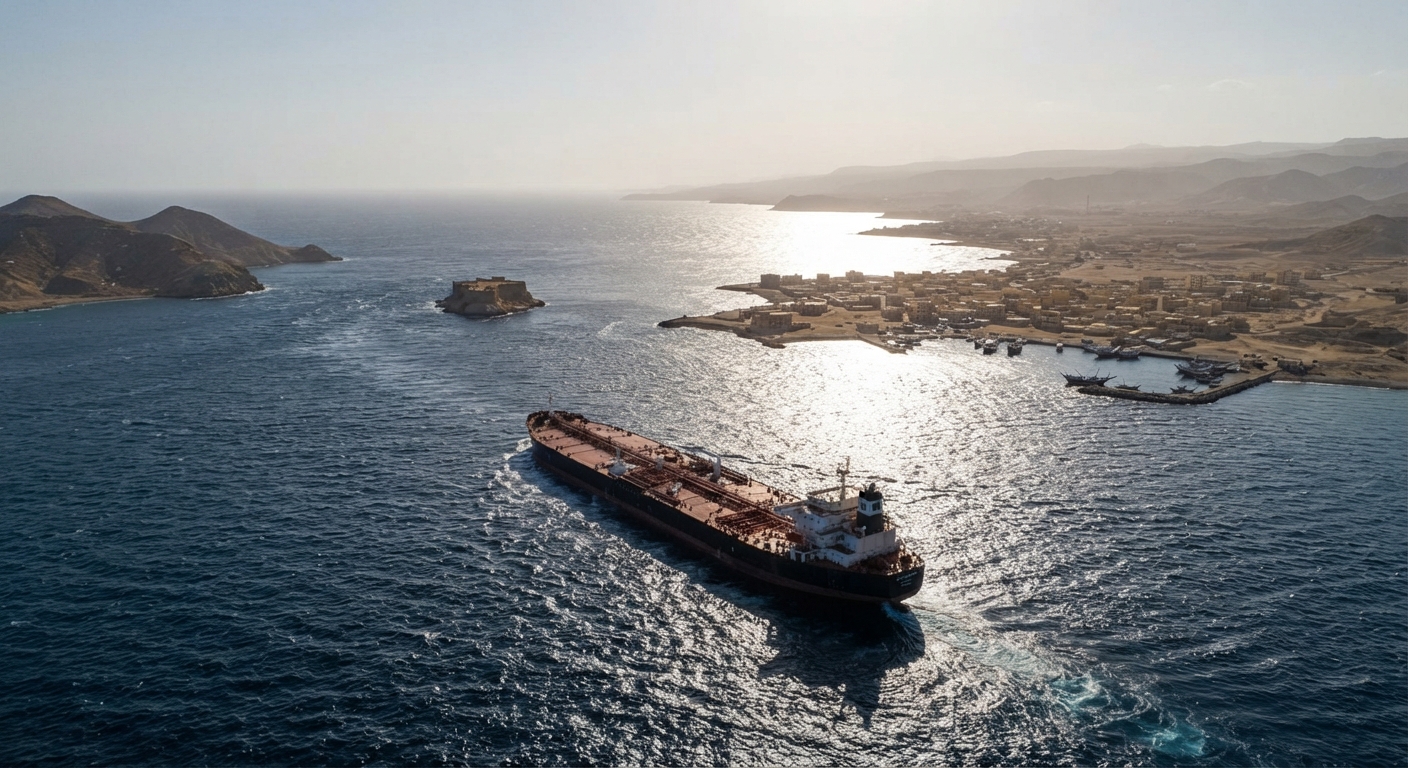
Iran-backed Houthi Islamic paramilitary group in Yemen cause issues in the Red Sea that could raise oil prices further. Oil prices at Sunday's futures markets open in the US (CME Chicago mercantile exchange) could possibly see further buying.
Territorial Advances: Iran-backed Houthi forces launched a lightning offensive along Yemen's western coast, capturing the Hays and Al-Khawkhah districts, the strategic port city of Mocha, and advancing to Perim Island and Dhubab on the Bab al-Mandeb Strait.
Strategic Chokepoint Dominance: These rapid gains provide the movement with direct control over the Yemeni side of the Bab al-Mandeb Strait, posing a major security challenge to international shipping and vital energy transit corridors.
Humanitarian Crisis: The renewed frontline fighting displaced nearly 50,000 civilians who fled sudden clashes and airstrikes, leaving communities facing critical shortages of shelter, clean water, and medical care.
Ad · Medium Rectangle 300×250
Geopolitical & Energy Implications: The offensive compounds regional instability following Houthi blockades on vessels tied to Saudi ports, adding severe pressure to Middle East energy supply routes and regional oil infrastructure.
International Diplomatic Tensions: Saudi Crown Prince Mohammed bin Salman urged U.S. President Donald Trump to authorize direct military strikes against the group, but Washington chose to avoid deep military entanglement. Concurrently, Yemeni government forces announced plans to organize a counter-offensive to retake the lost coastal areas.
Macroeconomic Outlook
If these regional issues cause supply issues in Arab producing nations which pushes oil prices up further at the start of the week—which points towards overall inflation—it makes the Federal Reserve's job even harder next week when it comes to making the decision on interest rates on borrowing costs on the dollar.