
Commentary: The Global Ripple Effects of a U.S. Diesel Ban
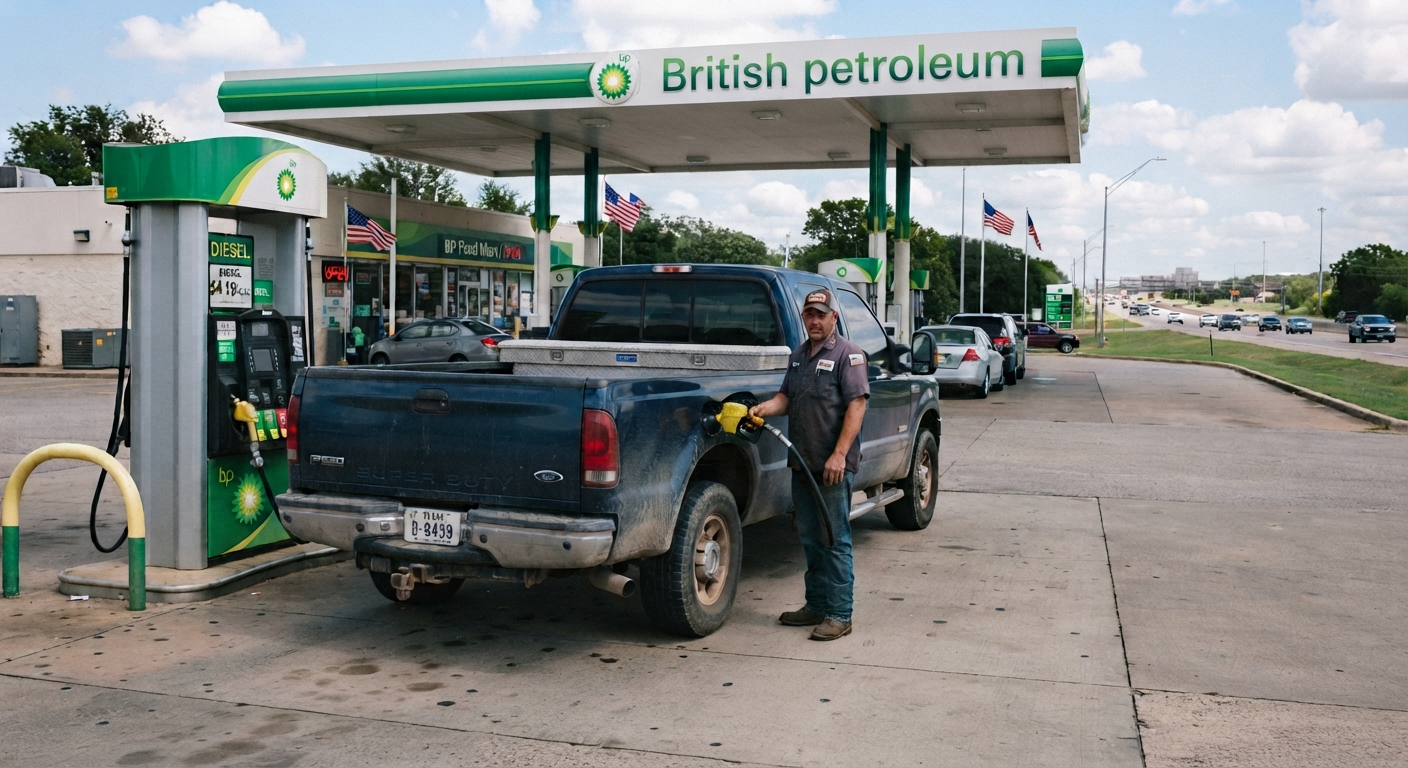
Trump proposes diesel export ban to tame fuel prices nationally in the US, yet that could be an economic bet that could pay off or go the other way. One possible scenario is where it does help fuel prices nationally in the US, but causes fuel inflation in other developed countries, which then causes inflation in those countries. That then affects the US in various ways; for example, a company in the US that imports something from one of these countries may find the price has risen on those goods. Even inflation in other developed countries could see those nations invest less, then the US stock market feels that less market volume, then the US citizen feels less wealthy as their 401k investment portfolio decreases in value. This is just one possible scenario that could play out; as with economics and markets, there are lots of nuances making it hard to predict future outcomes, and positioning or hedging for them outcomes can be near to impossible. So, if Americans get cheaper gas at the pump when they fill up, they could well feel it somewhere else.
At the start of the Iran war, the UK saw diesel prices rise more than petroleum, as the UK, for example, built their infrastructure in refineries for petroleum (gas). Then, in the 2000s, long before the EV electric vehicle market took off, the German automotive industry introduced diesel cars and their promise of better emissions for the environment. Also, the consumer could fill up their tank at a fraction of the cost using diesel. Therefore, the UK now has lots of diesel cars on the road through their previous popularity. Yet, when it cost more to fuel their car with diesel than it did with petrol (gas), then diesel did not prove too popular, which in turn brought down the price of used diesel cars. Market Analysis & Context
Proposed Export Restrictions: President Donald Trump and several lawmakers expressed openness to a temporary ban on U.S. diesel exports to lower record-high domestic fuel prices resulting from global refinery shocks.
Potential Market Disruption and Backfire: Energy analysts and trade groups warn the policy could backfire; because diesel and gasoline are co-produced, refiners would likely slash overall production rather than stockpile excess inventory, potentially driving up gasoline and general fuel prices.
Global and Regional Fallout: Halting shipments to major overseas buyers—particularly across Latin America and Europe—risks straining allied supply chains, disrupting agricultural transport, and triggering retaliatory trade barriers.
One thing to consider is that suppressing national refined oil products is not tackling the real issue off global oil prices and oil futures prices being elevated through geopolitics in Ukraine and in the middle east .