
Will the US midterms decision and the AI slowdown suit China in the AI race? The US and China have been engaged in somewhat of an AI arms race at developing these AI models from companies such as Anthropic, OpenAI, Google, and SpaceXAI vs. China's models from DeepSeek, Alibaba, ByteDance (parent company of TikTok), Moonshot AI, MiniMax. Some are looking at this as if the US does slow down through the left-leaning Democratic policies on US data centers and tech in general, China will then get ahead in this technological race, almost similar to a nuclear arms race in the Cold War with the USSR.
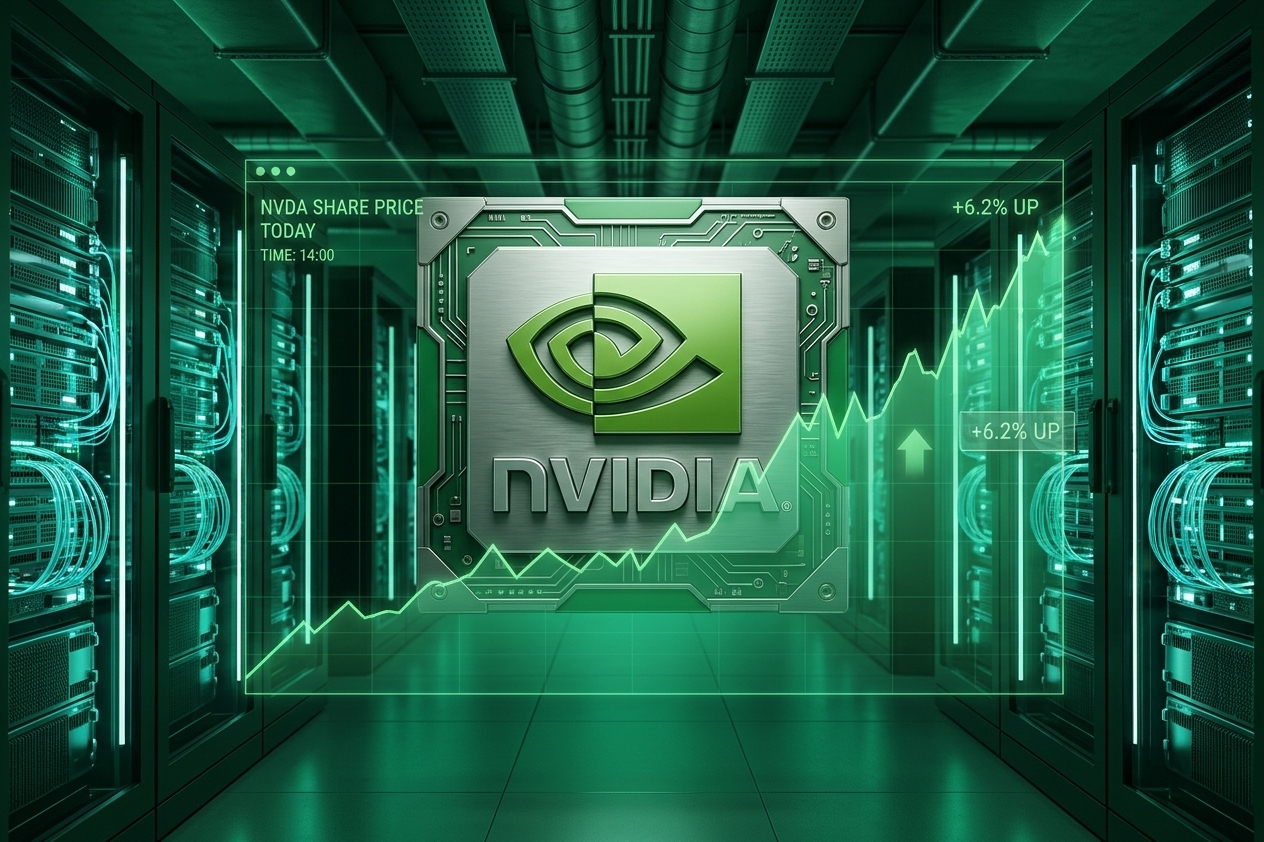
Some Wall Street analysts are saying that a possible scenario is where if the US slows down, then that slows China down with AI (artificial intelligence) anyway in terms of hardware or software, claiming that China relies on smuggled GPU NVIDIA hardware that the US has restricted for national security and on the software side that they have gained their software from distillation. This is basically where China will ask a big US AI model like Claude millions of answers to train their own models at a fraction of the computing cost. It's also worth a thought that if a left-leaning government in the US regulates the energy use that big tech companies use, but state-backed Chinese tech companies don't have the same restrictions of the use of energy, that could be a nuance worth thinking about and could be one that could affect the valuation of the US stock market when it comes to mega-cap tech companies and the other sectors in the broader economy that are tied to the AI trade through industry build out if the US government doubles down about the amount of energy it costs for compute and would be a direct play on the NASDAQ trade.
Hardware Restrictions and Software Distillation Claims
Anthropic and other US tech companies claimed there were incidents where they had massive amounts of questions being asked to their models at once within a small time period, which they claim is China. Important to note that distillation to train AI models is something that US billionaire AI CEOs have admitted to this practice themselves; this is using a current model to train a new model for less compute or energy cost. Also, it could be a Western propaganda tactic to lead the US consumer and corporation into believing that, say, for example, DeepSeek is like a Temu version of ChatGPT or Claude and that the Western models are premium frontier models that perform at a much better level. Also, it could be to lead the citizens of the West to believe that the US AI capabilities far outweigh China's in a military sense, and that is without even bringing into it the stock market and NASDAQ high valuations.
Jevons Paradox and Tech Market Impact
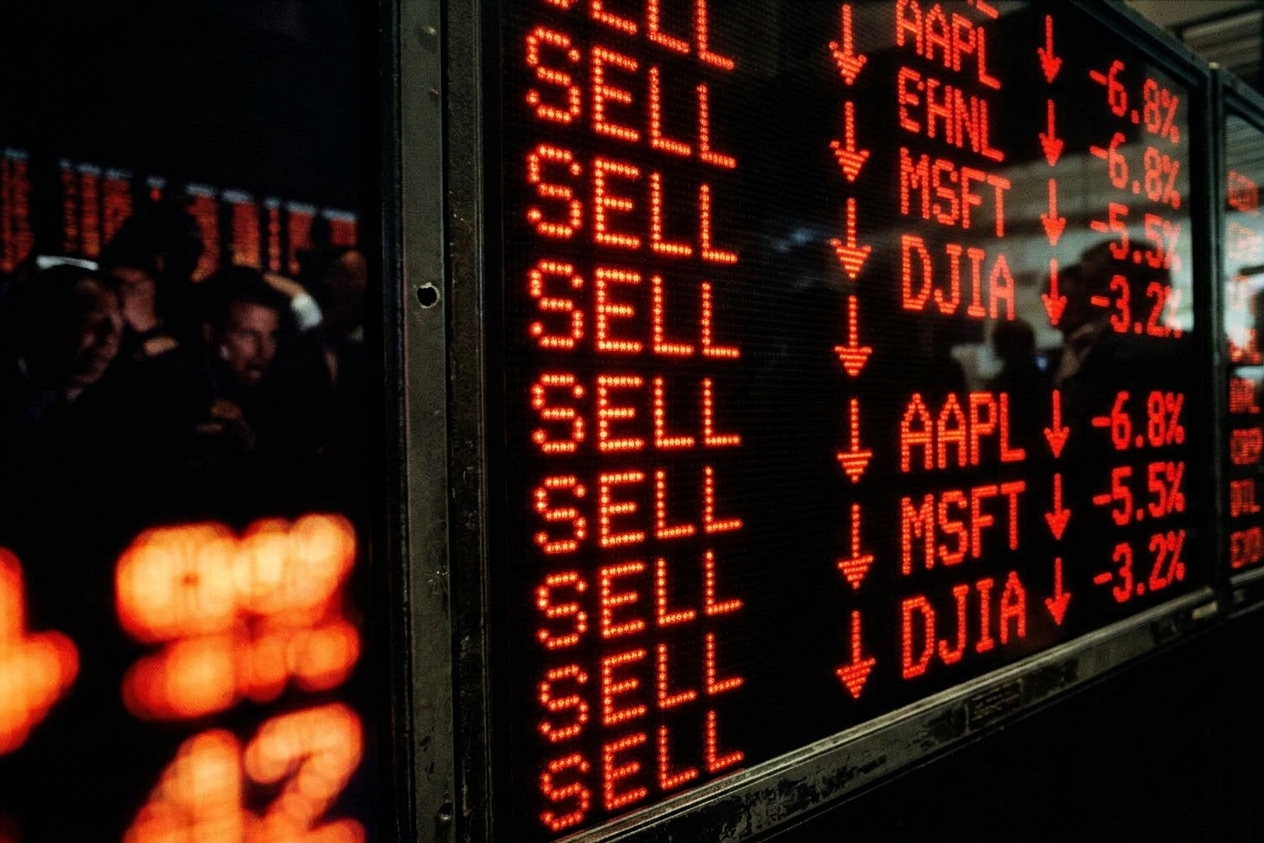
It's like the thought of China being able to develop the same technology but with less compute, then that is a threat to the US stock market valuations of mega-cap tech, like on "DeepSeek Day" when DeepSeek developed a large language model (LLM) on a fraction of the compute of what was taken for ChatGPT from Sam Altman's OpenAI, and it wiped a lot of the market cap off the US stock market in what economists were calling Jevons paradox. Jevons Paradox occurs when an increase in efficiency in using a resource leads to an increase in overall consumption of that resource, rather than a decrease—formulated by English economist William Stanley Jevons in 1865 after observing that technological improvements increasing coal efficiency led to higher total coal usage, not lower.
At the end of the day, it's all speculation, as nobody in the West really knows what hardware and software China has really got—and I don't mean what the West has supposed to be smuggled NVIDIA hardware into China. As far as what China has developed itself, maybe people in China believe that their AI models are the frontier models on the planet.
Policy Shifts and Potential Global Regulation
If through US left-leaning Democratic political influence it does stifle innovation in AI and technology, and if China did get ahead with AI models that are not distillate Temu ChatGPT, then that would not be great for US stock market valuations or would not look good on the world's reserve currency, the dollar. Another way you could look at it is that since the midterms and a left-leaning party has more influence, a slowdown in data center build out could be more healthy for a few things, including the environment most importantly.
Then the dangers that come with the technologies to be regulated, such as fridges being hacked in Europe through bad actors having access to the technologies to the escape of AI agents, the social implications that it brings especially with the labor market, and then also less speculative, frothy stock markets that are built on speculation, not sustainable long-term economic growth that benefits all of society as well and not just the quarterly earnings reports of US mega-cap tech companies and tech billionaires' pockets. Some economists could also argue that the slowdown in data center build out could help to bring down inflation. We could even see a more left-leaning US government have better diplomacy in global relations and work better with China on AI regulations and safety, as that has been expressed by China as an importance to them.

Discussion (0)