Escalation in the Middle East: Houthi Strikes on Riyadh Airport Threaten Global Market Dynamics
Once again there is an escalation in the Middle East led by Iran-backed militia group the Yemeni Houthis. They are a Shia paramilitary group, so they share some of the same religious ideologies with Iran's IRGC (Islamic Revolutionary Guard Corps), but not the exact same Shia heritage within Islam.
This most recent military attack on Saudi Arabia makes the US–Iran war look further away from being resolved and will effect the global economy in different ways—including the international airline industry, where hit passenger confidence will effect airline companies' revenue. It could also make the price of oil futures on the chart inflate higher from the event on the CME (Chicago Mercantile Exchange) as people take out hedges to protect their companies from price volatility, while traders take long / buy positions on oil derivatives to profit from the event.
The global effect from the whole thing, if it potentially pushes oil prices up again, is higher fuel at the pump for businesses and everyday people. Then in effect, higher inflation data lands for the macroeconomic narrative, leading to either priced-in tighter central bank policy or actually higher central bank policy rates. From these higher borrowing costs, people actually suffer—from small companies seeking lending to the everyday person paying their mortgage.
It seems we are now in a world where, through the internet and handheld devices, anyone can instantly read news, instantly see asset prices, and nearly just as easily take a position based on that, which further excels global events taking effect. It's not ideal when a paramilitary group on the other side of the world through their actions can dictate the price of assets through a globally connected world of digital financial technology (fin-tech). In turn, this effects the whole world's economy, where everyday people are effected first from the actions of the militant group, but second from traders and speculators helping to drive the price of an asset based on the news, which then effects everyday people who don't participate in markets.
Maybe if it was, say, 1997, and someone read the news in a newspaper, they did not really have access to live prices or the ability to take a position—say, to long oil or sell some of their risk assets. It was a world with less access to information and less access for people to take market positions, and maybe it is a combination of these nuances that dictate these outcomes. Key Developments
Deadly Drone/Missile Strikes: Houthi forces launched multiple attacks targeting King Khalid International Airport in Riyadh. The strikes resulted in at least 12 fatalities—including Saudi citizens and foreign nationals from the US, Jordan, Syria, Sudan, Egypt, and Bangladesh—and injured over 300 people.
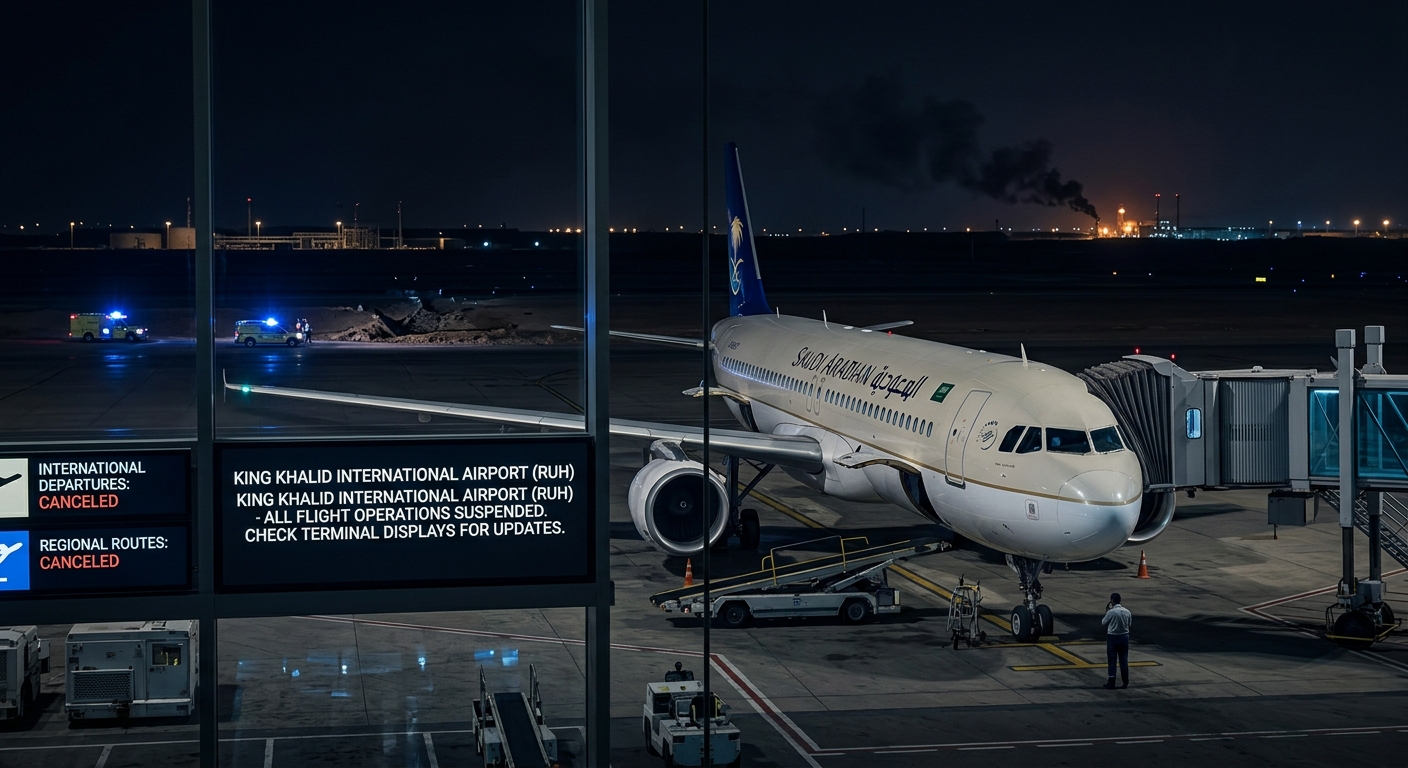
Aviation & Travel Suspensions: Flight operations at King Khalid International Airport were suspended following the strikes, leading to widespread airline cancellations across international and regional routes. European aviation safety bodies issued heightened airspace advisories for the region.
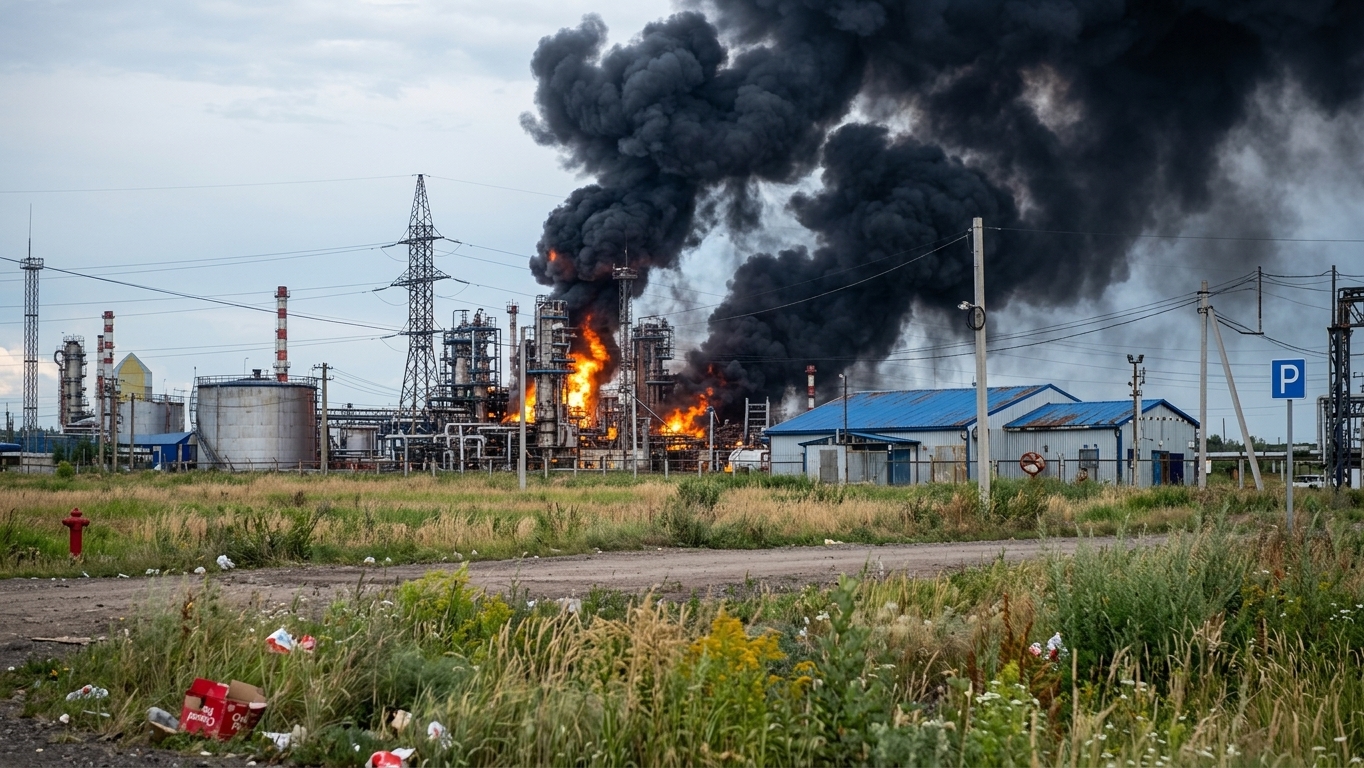
Energy & Geopolitical Link: The Houthis claimed responsibility for targeting energy infrastructure and airport hubs in tandem, warning international airlines and travelers against using Saudi airports as regional military and trade friction escalates.
Coalition Response & Global Reaction: The Saudi-led coalition vowed a firm response, mounting retaliatory airstrikes. Global governments issued statements condemning the strikes on civilian aviation infrastructure.