
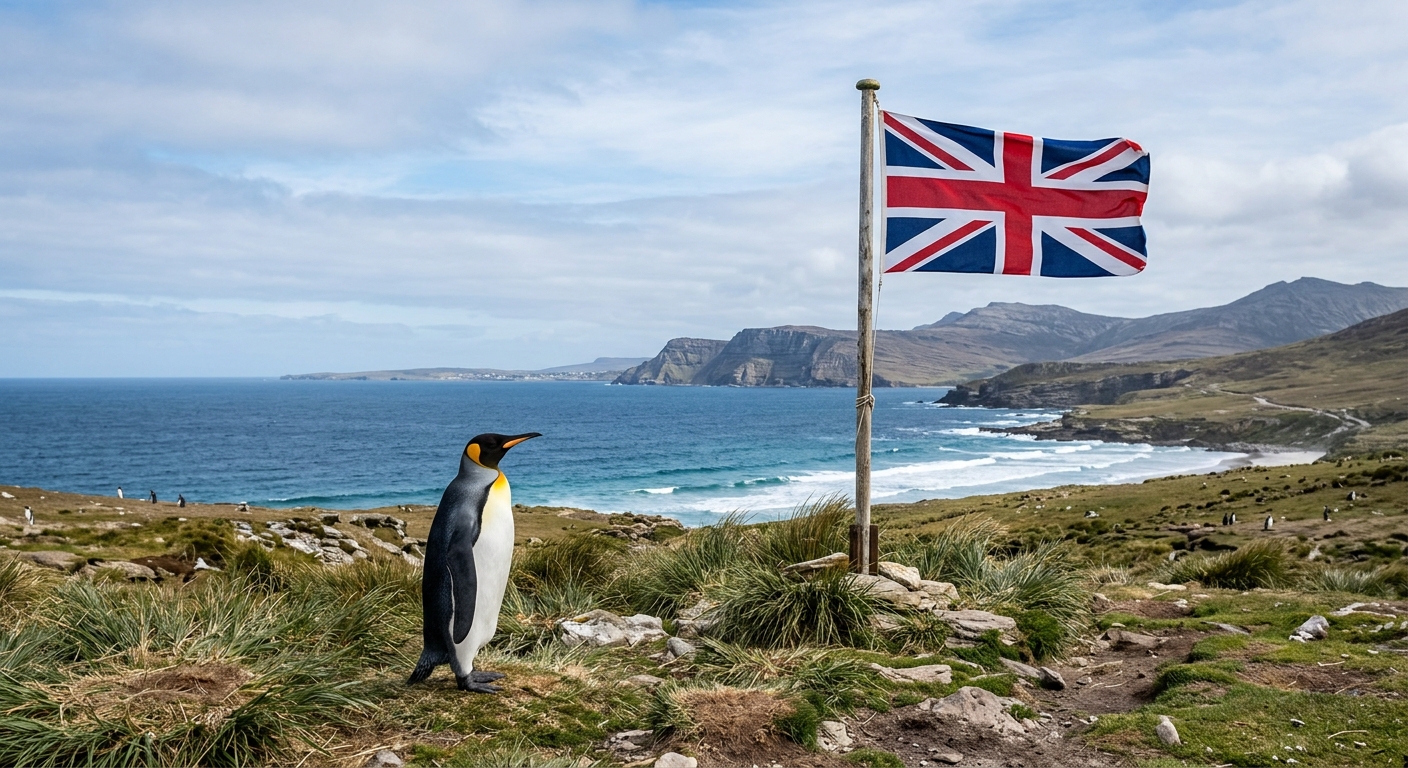
Escalating Falklands Tensions: Resource Competition, Political Transitions, and the Geopolitics of South Atlantic Oil
Recent geopolitical tensions surrounding the Falkland Islands (known in Argentina as Las Malvinas) have flared up, driven by offshore energy developments and shifts in international politics.
Sea Lion Oil Project Escalates Tensions
The Sea Lion Oil Project & Argentine Threat of Sanctions: Tensions escalated over the Sea Lion oil field, an offshore energy development north of the islands led by Navitas Petroleum and Rockhopper Exploration. Argentine President Javier Milei publicly declared the project a "clear and present danger" to national sovereignty, announcing plans to fast-track sanctions against foreign energy and logistics firms operating near the islands without explicit approval from Buenos Aires.
Milei's Shift and Domestic Pressures: While President Milei initially adopted a more subdued diplomatic tone regarding the islands upon taking office, his recent hardline shift follows declining domestic approval ratings. Unifying the public behind Argentina's constitutional sovereignty claim over the archipelago serves as a rallying political cause ahead of upcoming elections. He also announced plans to construct an integrated naval base in Tierra del Fuego to bolster Argentina's South Atlantic logistics hub.
Milei's Domestic Pressures and US Stance
U.S. Position Review: Comments from U.S. President Donald Trump indicated Washington is reviewing its historically neutral stance on the sovereignty dispute. This potential shift—spurred by broader diplomatic friction between the U.S. and the UK—was cited by Milei as "favorable winds of change" for Argentina's claim.
UK Reaffirmation & Self-Determination: The UK government firmly rejected Argentina's claims. UK Defense Secretary Wes Streeting reiterated that British commitment to the islands remains "absolute and unshakeable," maintaining that the islanders hold an absolute right to self-determination, including the right to develop their regional natural resources.
Historical Echoes and the New Political Reality
In the eighties, Margaret Thatcher—Britain's prime minister at the time, who was a very far-right-wing, nationalistic leader—led the war against Argentina for the Falklands to remain British colonial offshore land. Yet, islanders also voted to be part of Britain, and there are also fewer islanders than there are penguins.
Andy Burnham, fresh in office, probably did not expect to be having such a big geopolitical issue on his hands. Going from being the mayor of Greater Manchester tackling public transport to a possible war on the global stage is a big step up.
Resource Competition & Global Energy Dependencies
Resource Competition Fuels Geopolitical Conflict
Israel and the UK had plans for oil ventures in the region, and once again, commodities—particularly oil—are at the center of tensions between nations. If more renewable energy options were available, would there be better global relations ?