Total Devastation in Nepal With 469 Confirmed Dead: As Freak-Like Weather Strikes, the World Quickly Shifts From Wildfires to Flash Floods
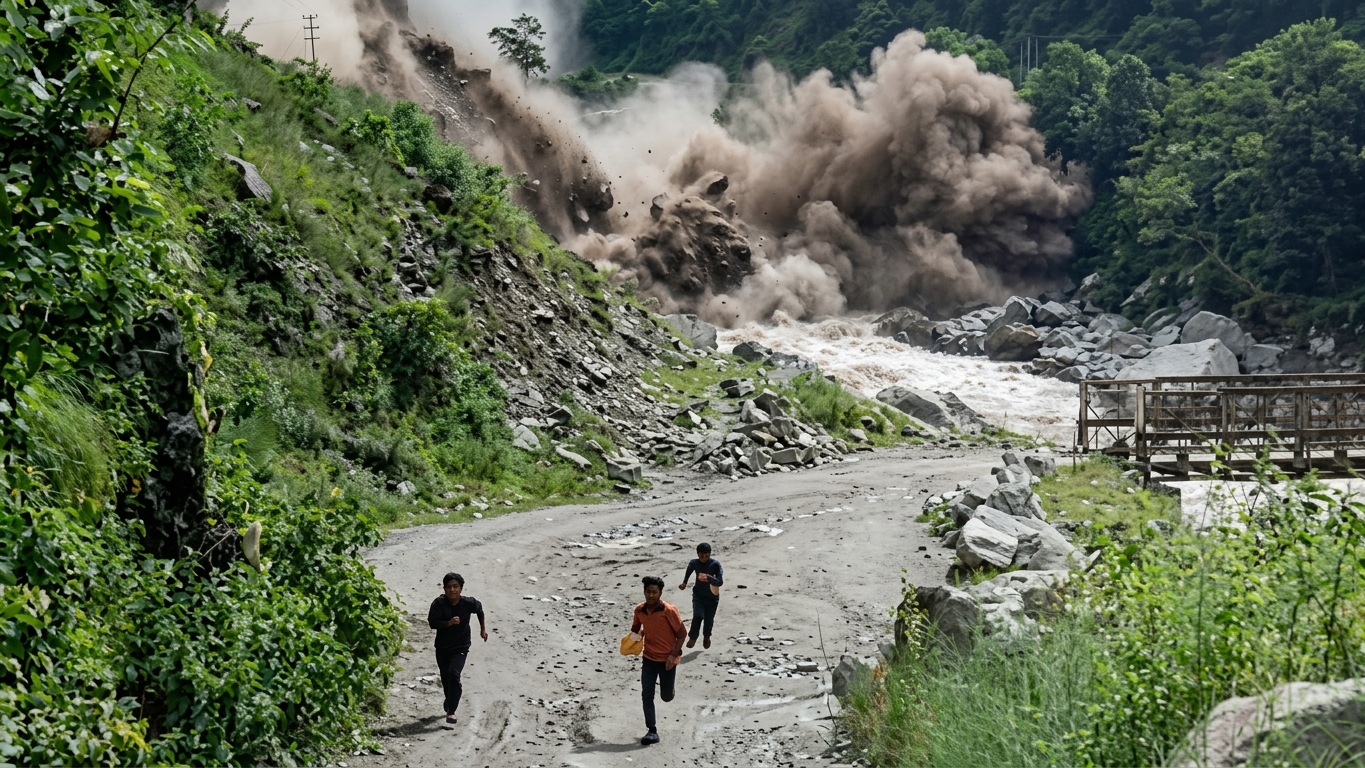
A catastrophic flash flood swept through central and northern Nepal along the Bhotekoshi and Trishuli river corridors near the Tibetan border. Cause of the Disaster
High-Altitude Collapse: The event was triggered by a high-altitude ice avalanche and glacier collapse in Tibet.
Debris Flow: The resulting debris flow traveled down the mountain channel at an estimated 50 meters per second, creating a massive mudslide that buried border facilities, destroyed infrastructure, and flooded river valleys across eight districts in Nepal.
Casualties & Missing Persons
Lives Lost: The confirmed death toll in Nepal has risen to at least 469 people (plus 3 confirmed deaths in neighboring Tibet).
Missing: Over 1,000 people remain missing or unaccounted for. This includes scores of security personnel (Nepal Police, Army, and Armed Police Force) and over 500 foreign nationals—primarily tourists and trekkers.
Injuries: Scores of injuries have been reported across affected regions like Rasuwa, Nuwakot, and Dhading.
Damage & Current Situation
Infrastructure Wiped Out: Entire villages, bridges, hydropower facilities, telecommunications networks, and major transit roads (including critical trade routes at the Gyirong/Rasuwagadhi border) were completely swept away or buried.
Downstream Destruction: Fast-moving waters carried bodies and debris over 100 kilometers downstream into Nepal's southern plains, severely overwhelming local morgues and healthcare facilities.
Rescue Efforts: Over 13,000 security personnel are deployed, utilizing land routes and dozens of helicopter flights to evacuate stranded survivors and tourists from isolated mountain pockets.
Threat of Secondary Flooding: Emergency responders face high risks as temporary lakes formed upstream by landslide dams threaten to burst, creating potential secondary flood surges.
The economic impact is also a big question, with the flood destroying vital infrastructure and energy systems needed for the population. Furthermore, the country's economy is massively supported by tourism, with people traveling from far and wide to experience the beauty of the Himalayan mountain range.
In a Bloomberg Television interview, Nepal’s Finance Minister Dr. Swarnim Wagle delivered a sober assessment of the economic toll following the Himalayan flash floods:
Multibillion-Dollar Damage: Wagle stated that early estimates are "quite worrying" and cumulative losses from the flood devastation will amount to at least a few billion dollars once fully quantified.
Alignment with Business Estimates: His remarks backed concerns raised by Nepali billionaire Binod Chaudhary, who noted rebuilding costs could easily escalate up to $5 billion.
Severe Energy Grid Impact: Energy ministry reports cited by Bloomberg highlight that damaged hydropower plants wiped out roughly 8% of Nepal's total generation capacity (~360 MW), forcing Nepal to potentially rely on power imports from India to bridge the deficit.
2026: A Year of Extreme Weather Disasters
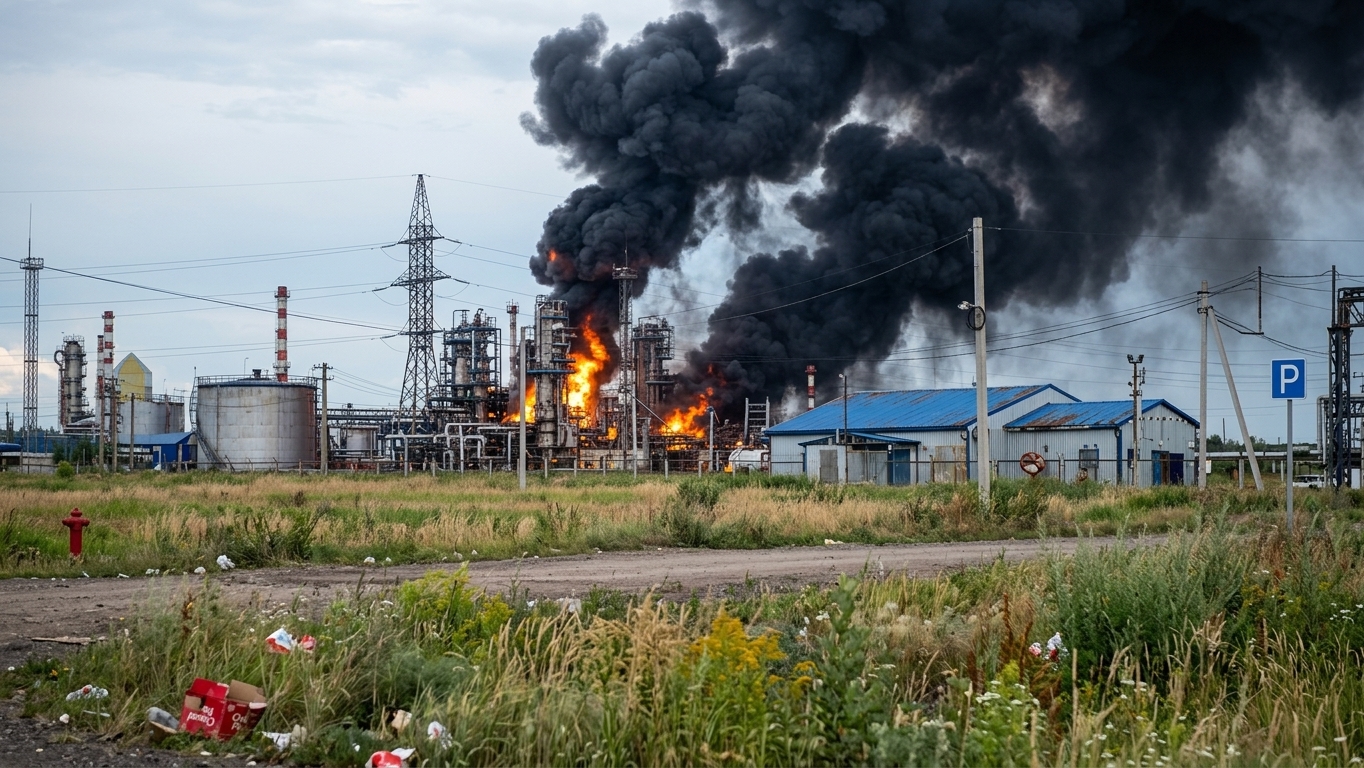
This year up to now, 2026, has seen so much terror from nature, featuring the hottest summer on record. Extreme weather events in 2026 have produced severe human, economic, and environmental impacts globally: Extreme Heatwaves & Record Wildfires
European Heatwaves: Europe faced unprecedented multi-month heatwaves, claiming over 34,000 lives across Western and Southern Europe.
Global Wildfire Spikes: By August, global wildfires burned over 112 million hectares (an area the size of South Africa). Severe heat triggered record-setting blazes across Western Europe (Spain's largest fire in history near Ávila forced massive regional evacuations), Western Canada (burning over 3.7 million hectares), and the Pacific Northwest in the U.S.
UK Wildfires Reach Record Scale
The National Fire Chiefs Council (NFCC) has recorded 1,017 official wildfires in 2026 in England and Wales. Some of the worst and most terrifying on record include:
Elan Valley, Wales (April): The largest wildfire of the year in total land area burned over 8,000 hectares (~20,000 acres). Smoke plumes stretched over 50 km and were visible from space.
South Wales Valleys (August): Peat and forest fires across Treherbert, Ebbw Vale, and Merthyr Tydfil burned over 4,000 hectares. It marked the first time the fire service officially requested UK military personnel (around 200 troops) to assist on the ground.
Cairngorms, Scotland (July): An "apocalyptic" wildfire burned thousands of hectares of moorland and native woodland, taking firefighters nearly three weeks to contain.
Stourbridge, West Midlands (August): The most destructive fire for property. A grass fire spread to a residential area on the hottest day of the year (38.1°C), destroying 19 homes, damaging 18 others, and forcing mass evacuations.
Mourne Mountains, Northern Ireland (April): Twin blazes burned approximately 2,500 hectares (~6,200 acres) across Newcastle and Hilltown.
Saddleworth / Dovestone & Peak District / Tintwistle Moor (May – July): Dovestone, a well-known nature reserve and public park in Greater Manchester, alongside Peak District / Tintwistle Moor, saw massive moorland peat fires near Tintwistle and Woodhead Reservoir burn over 600 hectares. Smoke repeatedly drifted into Greater Manchester, driving city-centre air pollution levels to more than five times the WHO safe limit.
Massive Landslides in China
Pengshui / Hanjia Rockslide, Chongqing (July 17, 2026): A massive rockslope failure occurred along the banks of the Wujiang River in Pengshui Miao and Tujia Autonomous County, Chongqing. The collapse destroyed local infrastructure and killed 42 people, with 10 individuals rescued from the rubble. Investigators suspect a combination of heavy rainfall and a deep road cut at the base of the mountain slope triggered the failure.
Renzang Village Landslide, Gansu (July 7, 2026): Heavy summer rainfall triggered a swift mountain landslide in Longnan City, Gansu Province. The slide swept through a forestry work station in Nanhe Township, killing 21 forestry workers.
Yongchuan Cluster Debris Flows, Chongqing (May 24, 2026): Extreme torrents (peak hourly rainfall reaching 103.6 mm) hit Yongchuan District, triggering a dense cluster of shallow landslides and channelized debris flows. Sediment and rock torrents buried homes across Daqiao Village, killing 20 people and causing severe agricultural and structural damage across the hillsides.
Typhoon & Summer Rainfall Disasters (June–August 2026): Across Fujian, Guangdong, and Hunan provinces, persistent summer monsoon downpours and tropical storm systems triggered hundreds of localized landslides, displacing tens of thousands of residents and cutting off remote mountainous villages throughout Southern China.
Geopolitics, Energy, and the Climate Debate
Once again, it comes back to the political debate over the means by which we power our economy and climate change. The world seems to be shifting from its Net Zero carbon emissions policy mission toward going backward—moving back toward oil and wars, with the price of oil fixated around conflict.
In society, there seems to be a divide between a conspiratorial view that climate change is made up, and the scientific view that our impact on the world is making it warmer, along with the severe effects that will have on the planet and wildlife. Sir David Attenborough certainly had strong opinions on it; it is said that he has seen much of the world in his lifetime that no one else will ever get the chance to see again.
Another factor is population growth, as some have seen the global population double in their lifetime: from ~5.33 billion in 1990, to ~6.96 billion in 2010, and now ~8.30 billion in 2026. With global birth rates now declining, does this correlate with the mass consumption of resources and nature's kickback?
Does it look like a split between the Left advocating for Net Zero and reducing our footprint on the planet, versus the Right pushing for endless capitalistic resource production, oil extraction, waging wars, and building data centers? It is no wonder data centers in the US, the UK, and elsewhere have seen such unpopularity among local populations if they are linked to climate change. This raises a major question about the valuation of Nvidia shares, as they are selling hardware for data centers that—through politics and public opposition—may not be allowed to be built out.
However, could advancements in AI hold the answers to renewable energies and better energy technologies in the long term? Elon Musk, CEO of SpaceX, certainly thinks he has the answer by moving data centers into space so there is less demand on the planet itself.
With such destruction caused by nature up to now in the summer of 2026 from rising heat levels, it makes us wonder: what does winter have up its sleeve for us? The Winter Theory: How Greenland Ice Melt Could Bring Extreme Cold
Greenland Ice Melt Weakens Ocean Currents: Melting ice from Greenland dumps huge amounts of fresh water into the North Atlantic. This slows down the Atlantic ocean conveyor belt (AMOC/Gulf Stream) that normally brings warm tropical air to Europe and North America.
High-Pressure "Greenland Blocks": Warming in the Arctic creates persistent high-pressure atmospheric ridges over Greenland that act like a physical barrier in the atmosphere.
Polar Vortex & Jet Stream Collapse: This "Greenland block" bends the jet stream southward and disrupts the Polar Vortex. Instead of trapping freezing air at the North Pole, it unleashes severe Arctic cold snaps down into the UK, Europe, and the US during winter.
While this remains a theory currently—as winter has not hit us yet—when combined with inflated energy prices from the Iran war and global inflation, it presents a dangerous combination if this becomes this winter's reality.
another big economic question is will natural disasters from climate change cause even more inflation ?