Trump Calls for Zelensky’s Replacement as U.S.–Russia Diesel Deal Escalates Rift
The rift between Donald Trump and Volodymyr Zelensky escalated significantly following a direct clash over a U.S.–Russia energy deal. Key Developments
President Donald Trump and President Volodymyr Zelensky don't have the best of relationships anyway and had a public global argument, but now it has taken a turn for the worse:
Trump Calls for Zelensky's Replacement: Speaking to reporters, Trump explicitly stated that Ukraine "should get a new president" who is willing to "make a deal," accusing Zelensky of refusing to end the conflict.
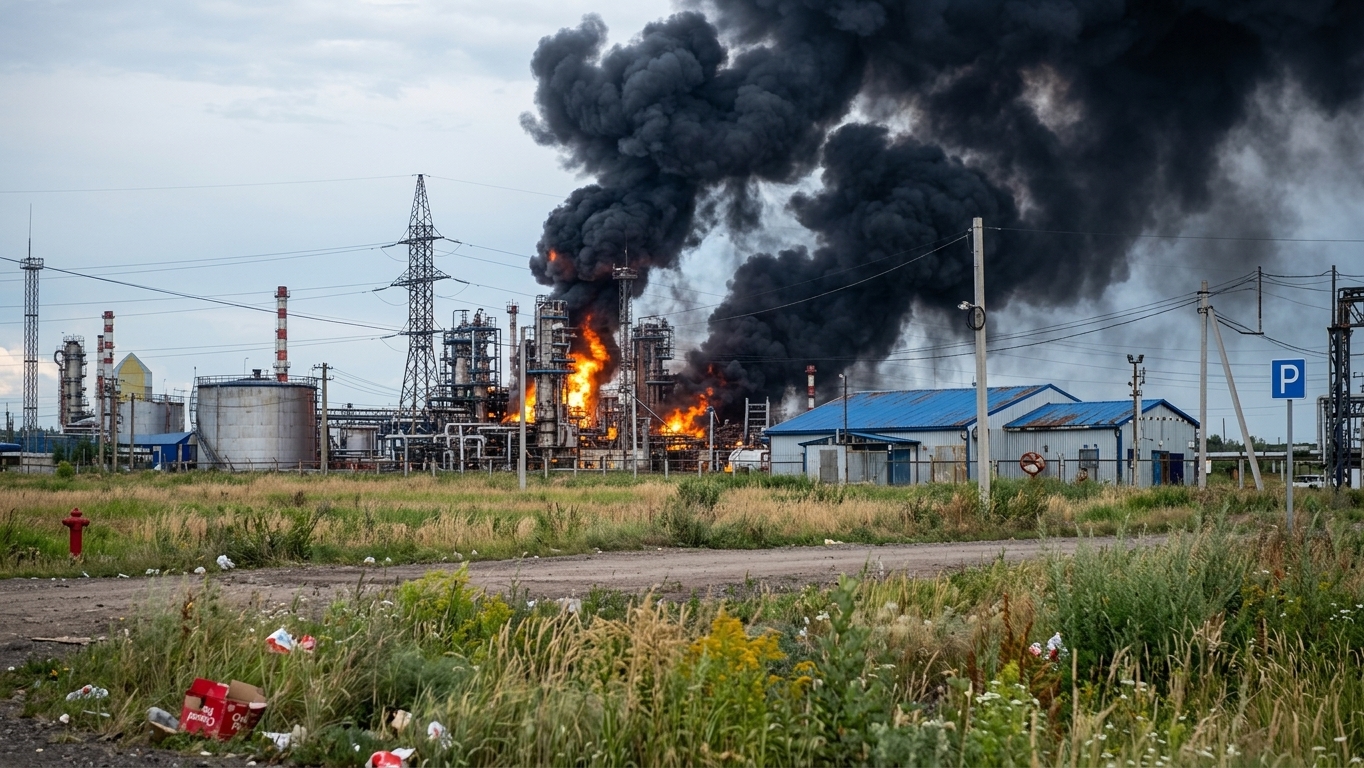
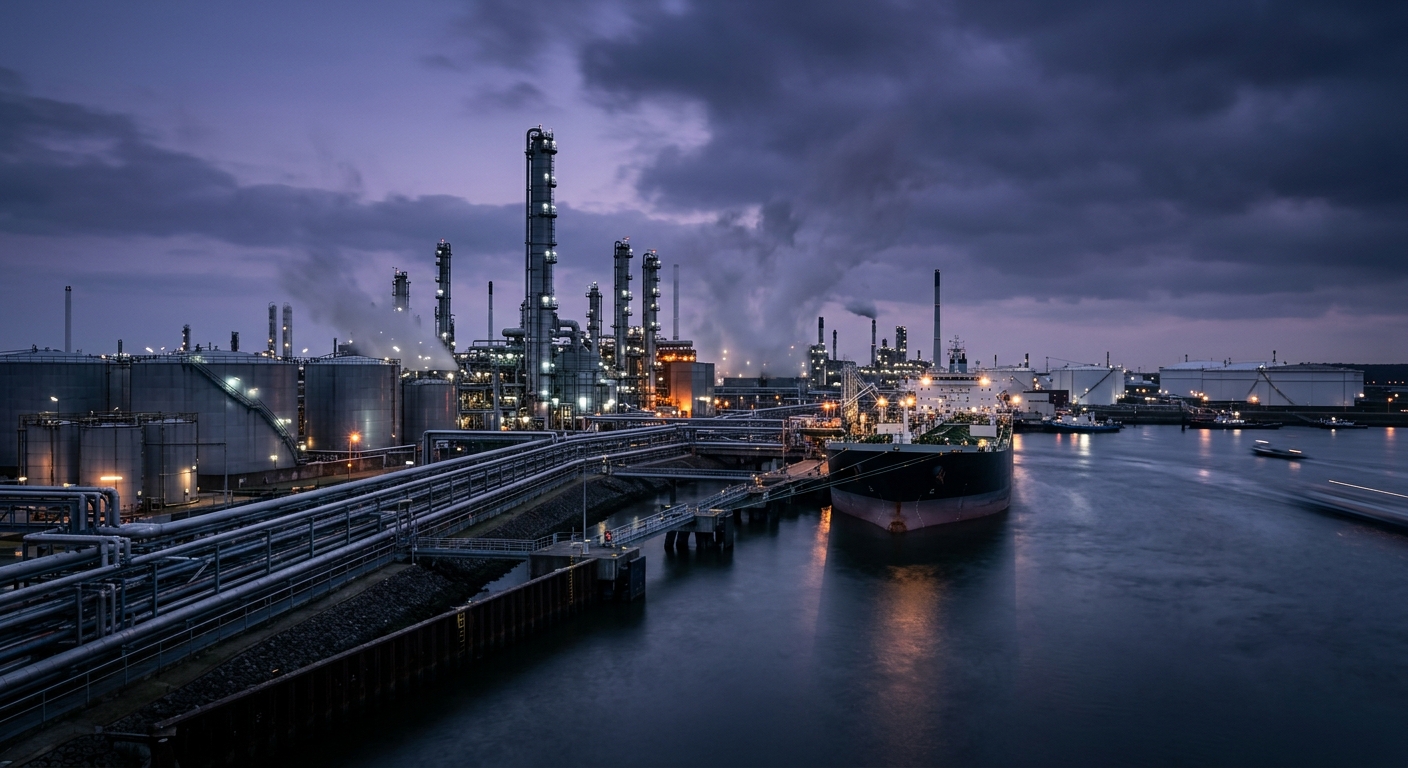
Dispute Over Russian Refinery Strikes: Trump slammed Ukraine for targeting Russian oil and diesel refineries, warning that Zelensky "better damn well stop" because attacks on fuel infrastructure create "a world problem" for energy prices, farmers, and truckers.
The Russia-U.S. Diesel Deal Spark: The confrontation follows Trump's deal with Vladimir Putin for Russia to release millions of tons of diesel into global markets, accompanied by a temporary U.S. Treasury waiver on energy sanctions.
Zelensky's Pushback: Zelensky publicly condemned Washington's arrangement with Moscow as a "weak decision" and an "investment in the war," accusing the U.S. of using Ukraine as a front while easing pressure on the Kremlin.
Trump's stance with Zelensky has always been that he could do more to make a deal or that he is not willing enough to make a deal. I'm sure a Ukrainian national political party would agree with him not to make a deal and continue for their national sovereignty, but Eastern European geopolitics is very complicated and there are two sides to a debate there.
Since the Ukraine war, Zelensky has gained much fame and has been questioned also fortune, and will go down in history as a famous wartime president and his legacy. But does Trump have a point? Like, why not let democracy determine another Ukraine president with whether they are for or against the war, and the people can vote for that? There is a high probability that the citizens of Ukraine are fatigued from the war. Could Zelensky be reaping the benefits of a famous wartime president, and could another political party or president have a different view on diplomacy with a promise to the people of a better post-wartime economy? U.S.–Russia Diesel Agreement Breakdown:
Immediate Supply: Russia agreed to immediately release 300,000+ metric tons of diesel fuel (equivalent to roughly 2.25 million barrels) into U.S. and global markets.
November Delivery: Russia will supply an additional 500,000 metric tons during November.
Follow-up Tranche: A further 1,000,000 metric tons (1 million tons) is set to follow immediately after November.
Total Initial Volume: The deal covers an initial total of 1.8+ million metric tons of diesel.
Sanctions Waiver Window: To facilitate the imports, the U.S. Treasury issued a temporary sanctions exemption license valid until April 7, 2027.
Market Impact: Following the announcement, U.S. diesel futures dropped nearly 5%, settling around $4.64 per gallon.
The deal with Russia could be looked at as Trump trying to offset energy prices and inflation for his war on Iran, just like it could be looked at that he strategically did his operation in Venezuela to secure oil, also national security before the Iran war. After his war on Iran, Brent crude oil went to $113. Maybe if Venezuela's oil was not in U.S. control, then Brent crude oil—the world's benchmark oil price—could have hit $150, or even as some analysts were talking about, $200 a barrel.
Then that could also be a signal that he does not plan to end the war in the Middle East anytime soon. Israel has been at war in the Middle East since the inception of the nation on 14 May 1948. Well, that was the official inception; there were already settlers going back before then in what they strongly believe in their religious-political ideology to be their holy land and have entitlement. Others would argue it's not a nation and a state within Palestine. Either way, the two ethnic groups have very different ways of life and cultures, lots of differences, so it does not look like Israel will be at peace with its Islamic neighbors anytime soon.
So a prolonged war in the Middle East for the U.S. could look like higher global oil prices, higher inflation data, and global central banks' monetary policy tightening with hiking interest rates, jobs lost, and a slower economy. That could spark more anti-Israel rhetoric and antisemitism within Western societies such as the UK and the US.
As Trump mentioned: "We said, 'You can do whatever you want to Russia. Don't hit the refineries because that's a world problem.'" showing that is not man that dictates markets, but markets dictate man .