Today saw the relief rally after last week's brutal sell-off and liquidations, but how healthy really was it? Global financial markets have many, many nuances—so many—but here at Summit Capital News this evening, we are just going to discuss two major narratives of why the buying today may not have been so healthy.
Oil Prices Plunge Amid Geopolitical Shifts
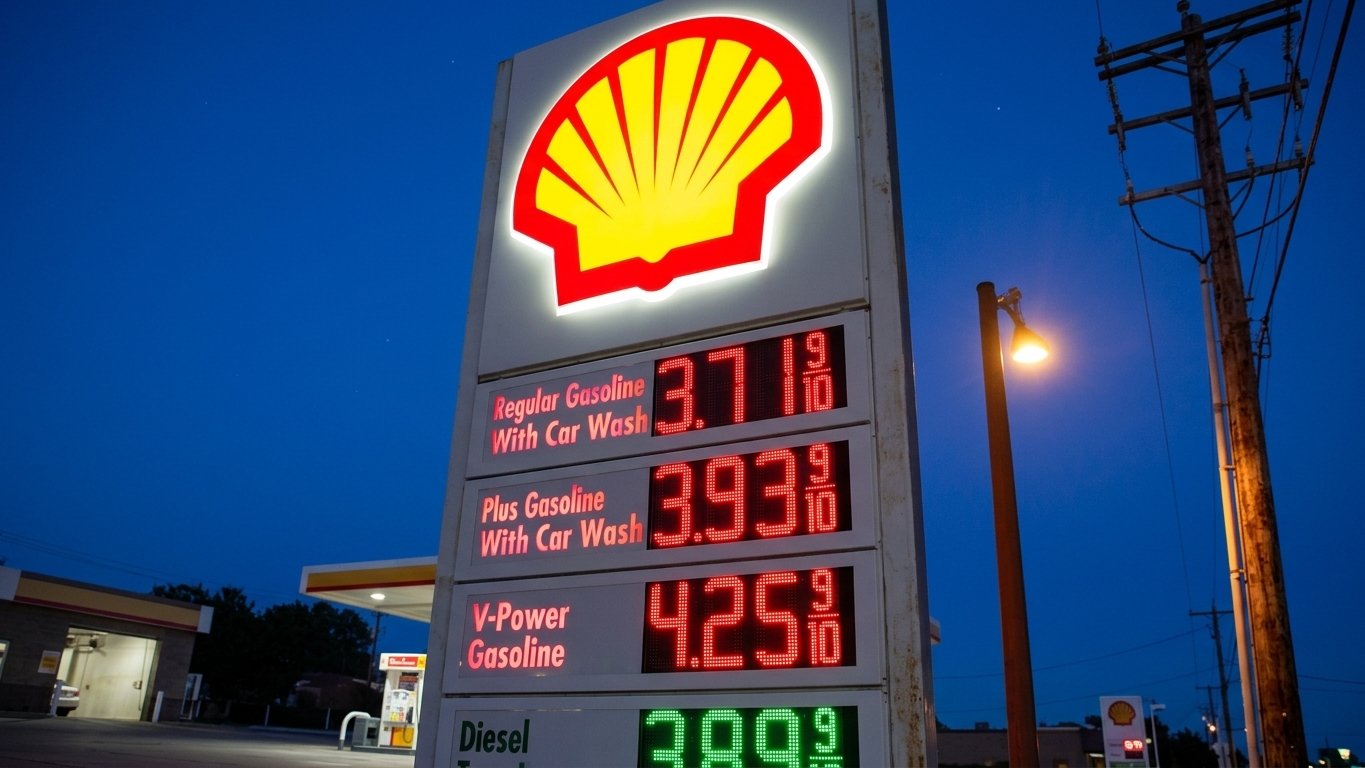
- We did have lower oil prices with Brent crude trading as low as around $93 a barrel today with the continued narrative of a Democratic government will have better diplomacy. Let's remember something: no matter what governments of nations have been in place, left or right wing, there has always been conflict in the Middle East.
This goes well, well beyond politics to religious prophecies through books that are thousands of years old, well before CME oil futures and a modern fossil fuel brent crude oil futures economy, back when man rode a horse, not a Wayve AI robotaxi in central London. Even today, there has been conflict in the Middle East, including US Naval and Air Operations in the Strait of Hormuz.
US forces conducted targeted strikes on Iranian air defense systems on Qeshm Island in the Strait of Hormuz while enforcing a strict maritime and trade blockade against Iranian ports. The Islamic Revolutionary Guard Corps (IRGC) Navy attacked a commercial tanker off the coast of Oman—forcing the crew to evacuate—and forcibly halted four other tankers attempting to transit the Strait.
Iranian-aligned Houthi forces launched ballistic missile and drone attacks targeting Saudi energy and administrative sites, damaging a Saudi Aramco building in Riyadh's financial district and striking an East-West oil pipeline. Infrastructure attacks expanded into Iraqi Kurdistan, where the Khor Mor gas field was hit by repeated strikes.
Government-aligned forces backed by the regional coalition engaged Houthi fighters in heavy ground combat in the Jawf, Marib, and Lahij governorates. Amid the ongoing air and sea engagement, Qatar initiated high-level talks with the US White House to negotiate a potential ceasefire, while Iran issued threats to disrupt all Gulf maritime traffic unless sanctions and blockade measures are lifted.
So the markets could be in this hype of the left-leaning Democrats are going to have better diplomacy in the Middle East and won't support a far-right Israeli government, and those things could be true. But with still conflict even today and the war continues, yet oil comes down on the speculation—let me repeat, the speculation of or even the fantasy of the Democrats making the Middle East peaceful and something like Disneyland.
For these reasons, maybe oil crashing from the decision at the midterms and then equities rallying off the back of that oil price is maybe not the healthiest.
2 The other one today that tech rallied minus NVIDIA, even on Wall Street analysts were saying the AI trade is back on.
NVIDIA Under Pressure Amid Tech Volatility
We saw even in chip names such as AMD, Qualcomm, and Intel shares, and many others bought; yet—and here is the big one—NVIDIA shares were down due to Jensen Huang's personal life. One could even say the whole thing is like a '90s sci-fi movie: AI super CEO has affair with Chinese spy.
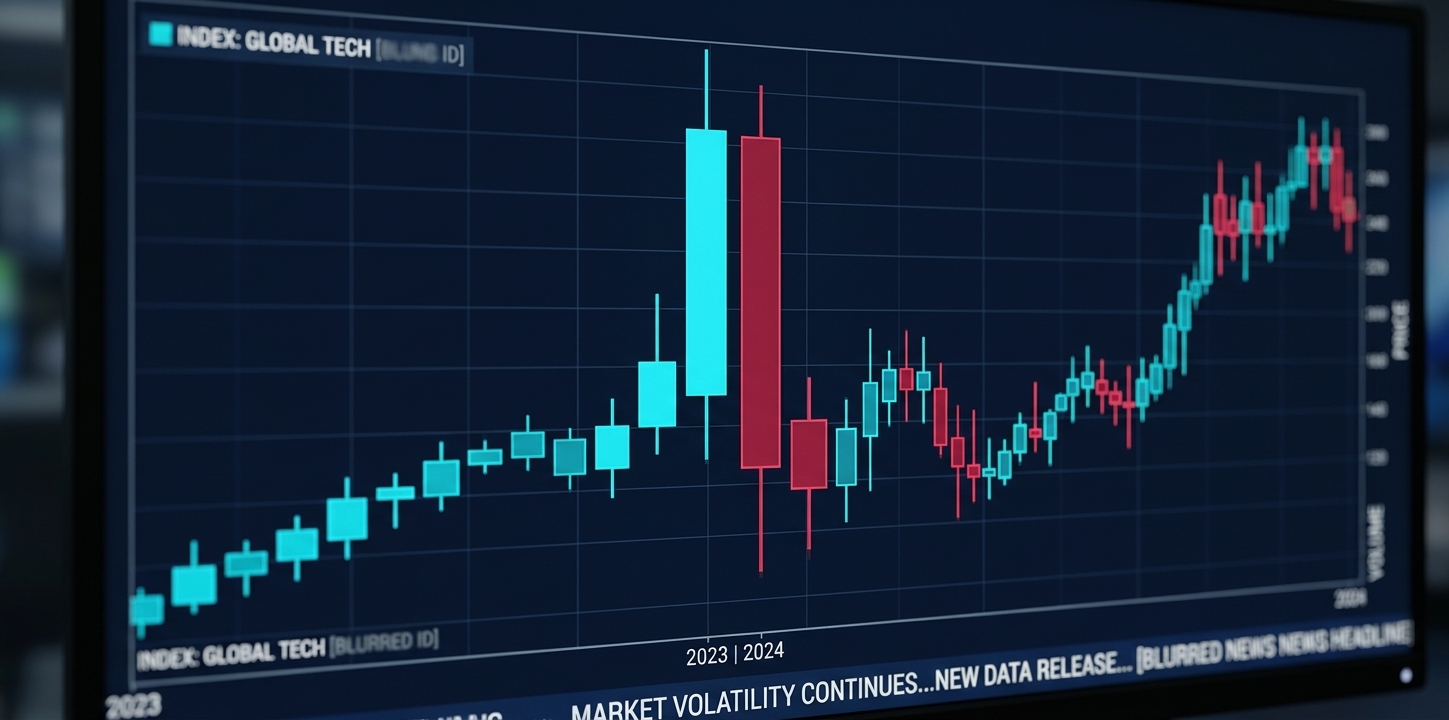
Anyway, today there has been all sorts of talk from the future of NVIDIA to the future of Jensen Huang at NVIDIA and that he has no successor, which sounds like madness to most—Jensen not the CEO of NVIDIA. Let's not forget that in 2020, NVIDIA was worth around a $150-300 billion dollar market cap to what it is today of around $5 trillion dollars.
Most of this ecosystem of AI is linked to NVIDIA and now not just the overall tech sector, but all other sectors of the economy as agentic AI agents were rolled out for corporations to become more productive. NVIDIA sold off 4.27% today; yet, the overall tech sector and even the rest of the economy saw a risk-on trade and for these reasons we don't see to be healthy the tech rally today in stock markets.
Global financial markets have many nuances, and economics and markets are a phenomenon to the world trying to analyze them. One can only create theories, as after all, markets are theoretical.
But one thing that this week with the NVIDIA story has shown us once again is that markets are not led by numbers but by narratives, as that is what humans are led by—narratives and stories. From a stone in ancient times to a newspaper print to a search engine or a large language model (LLM), people follow the narrative.
Then the numbers in financial markets reflect it, from an agricultural futures contract in ancient times written on stone to the modern-day futures CME (Chicago Mercantile Exchange) in the US.
Equities traded with a defensive posture as global markets parsed shifting geopolitical risks, stubborn inflation expectations, and weakness in Treasury auctions.
Treasury Auctions and Inflation Data Outlook
Richmond Fed President Barkin signaled the central bank must move policy with care while market participants prepared for Tuesday's incoming inflation print. Meanwhile, fixed income appetite faltered as a $58 billion U.S. 3-year Treasury auction drew weak demand at a high yield of 4.627%.
Brent crude crashed 7% to a 10-week low after comments indicating U.S. strikes on Iran are highly unlikely defused regional risk premiums. The drop occurred despite reports confirming a fresh attack on Saudi Arabia's East-West pipeline as OPEC output climbed back toward 90% of pre-war levels.
In contrast, U.S. natural gas spiked 8% as record short positions were forced to cover due to cooler weather forecasts. Nvidia shares tumbled following headlines regarding an investigation into chief executive Jensen Huang, pulling down tech sentiment even as peers like Alpha and Omega Semiconductor surged over 20%.
In aerospace, Boeing announced plans to cut 5% of its commercial airplane workforce, while PepsiCo outlined 1,000 North American job cuts. Elsewhere, pharmaceutical giants Eli Lilly and Novo Nordisk faced regulatory pressure as U.S. officials ordered vision loss warnings on weight-loss treatments.
All eyes now turn to Tuesday's U.S. consumer price index reading and upcoming Fed speakers. CPI tomorrow will be seen as the biggest trading event of the week in global financial markets.
With things shaken up after the midterms and the valuations of assets also shaken up and forced to re-price, that could change the dynamics in how the market reacts to the CPI consumer price index tomorrow.
Discussion (0)